
Do you want to build a Mars rover?
And win internationally?








No need to take notes. :)
Yale Undergraduate Robotics is new.
The rover will be its flagship.


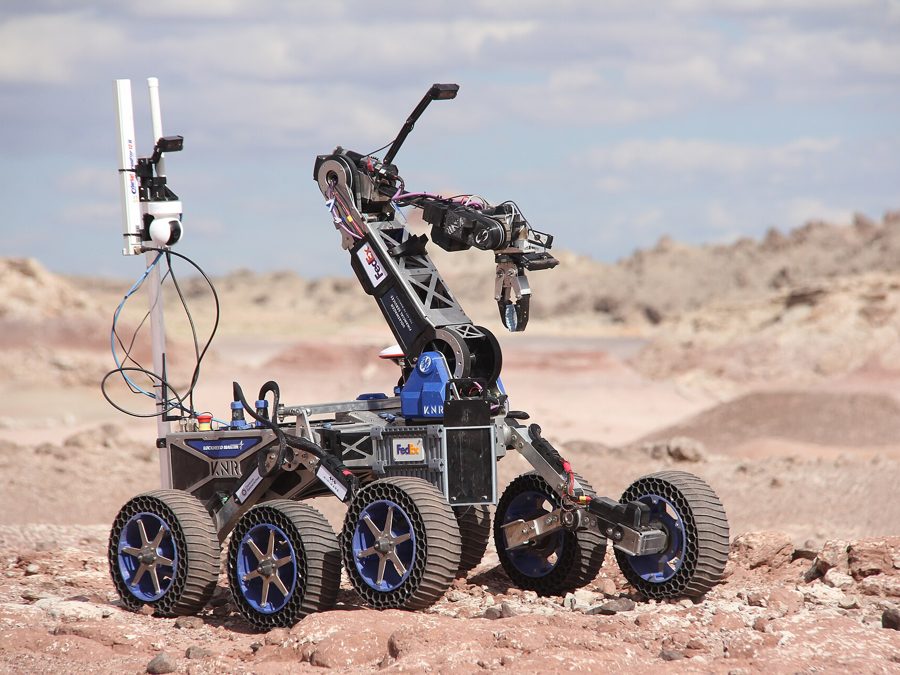
University Rover Challenge 2027.
Science
Drive to sites the judges pick, collect soil and rock samples, run life-detection chemistry on them onboard in the field, then defend the findings to a panel of scientists.
Delivery
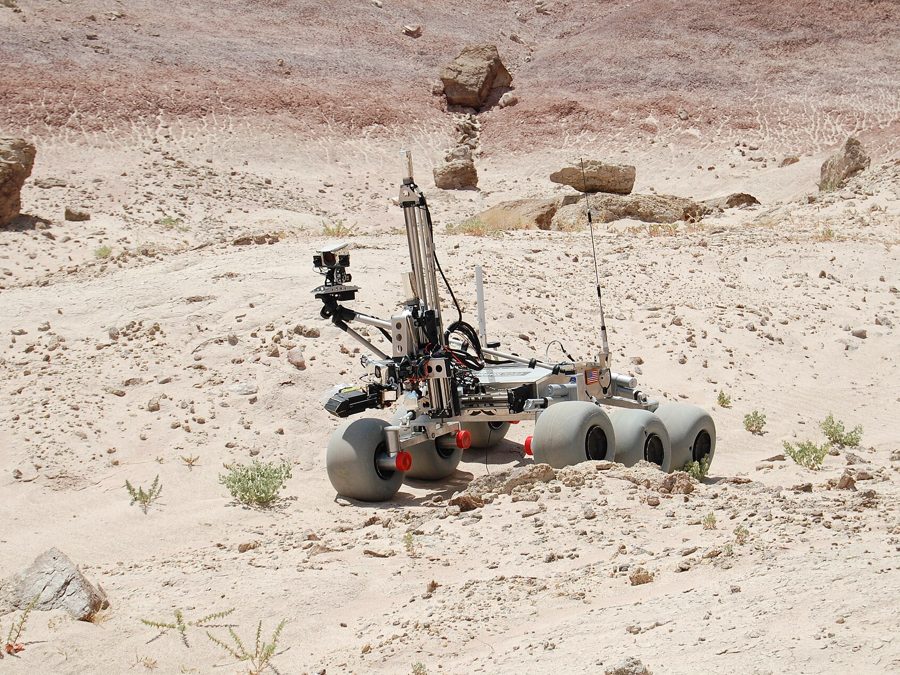
About a kilometer of rough desert to cross: find objects and “astronauts” from GNSS coordinates and visual cues, picking up and delivering items along the way. All teleoperated over our own radio link, no Wi-Fi.
Equipment servicing
Fine-motor work in the middle of the desert: plug in a USB cable, type on a keyboard, turn screws, and more, all with the robotic arm on the rover.
Autonomous navigation
The rover is sent to a series of GNSS coordinates and visual markers and has to find its own way, avoid obstacles, and signal each arrival entirely on its own.

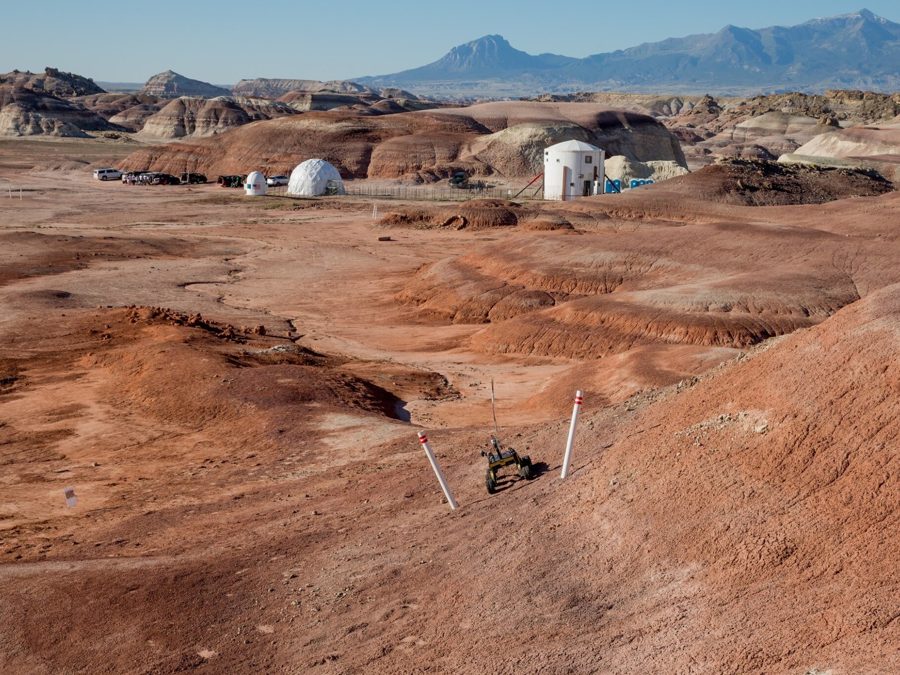
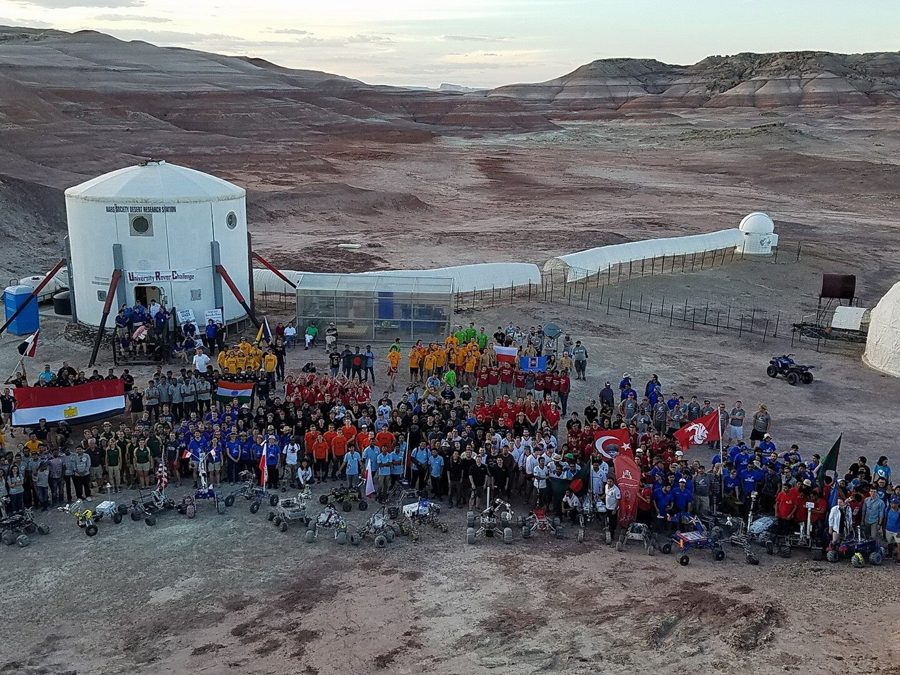
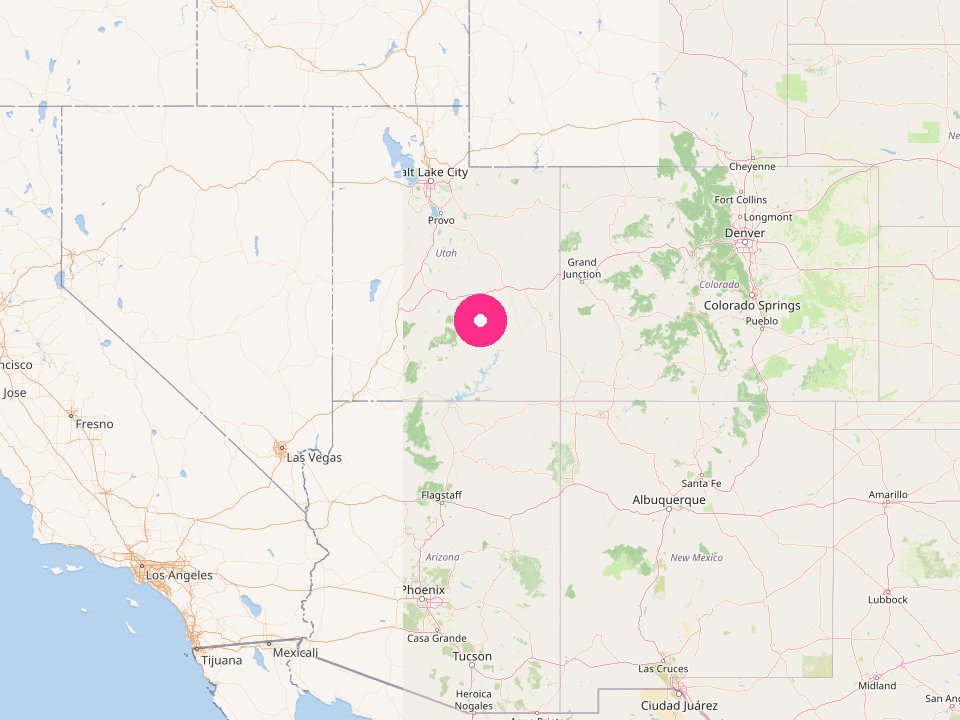
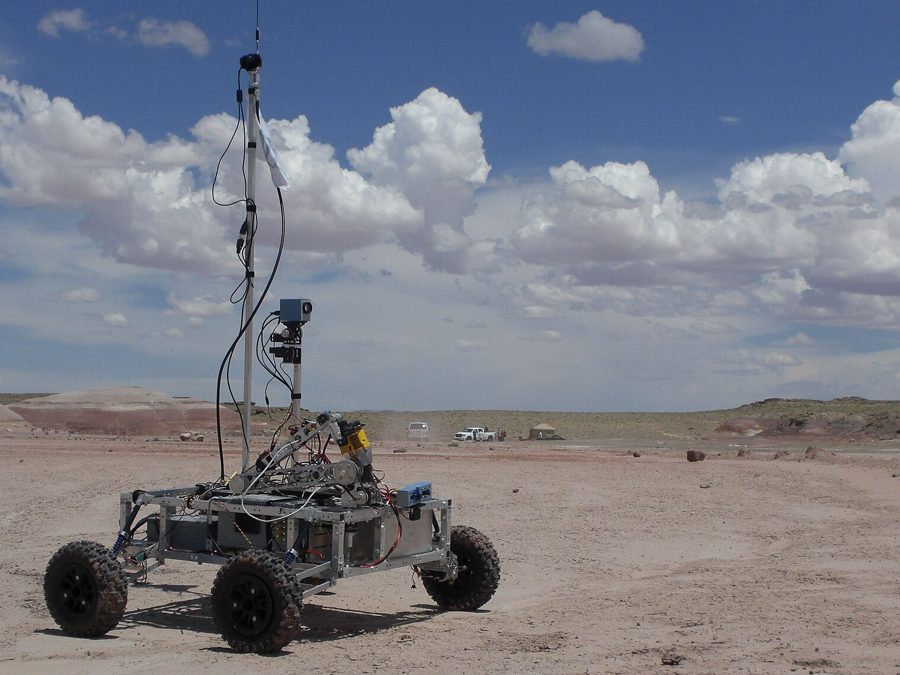
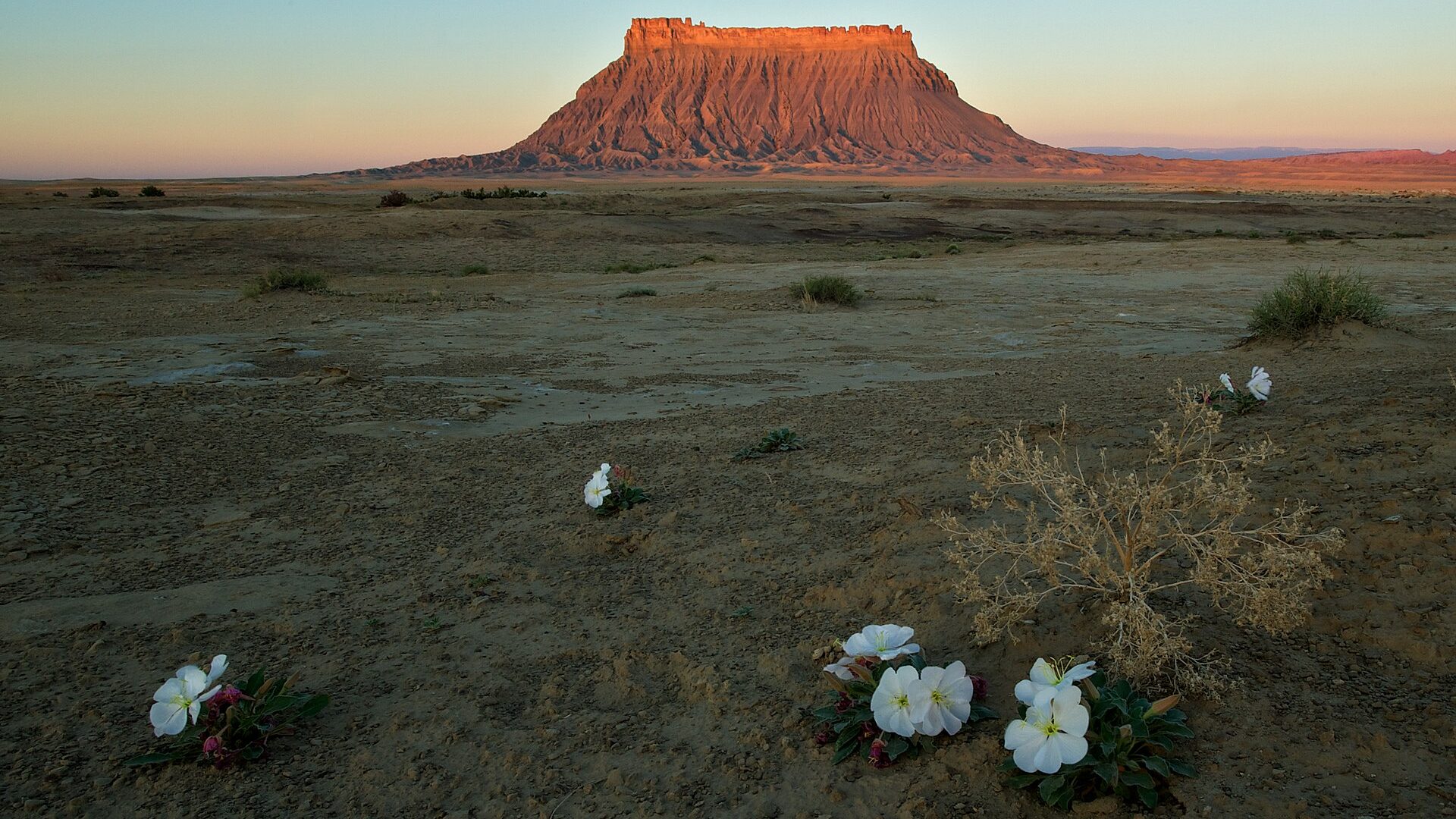
Hanksville, Utah.
Late May 2027.
- Seven miles of dirt road.
- Population: 200 people.
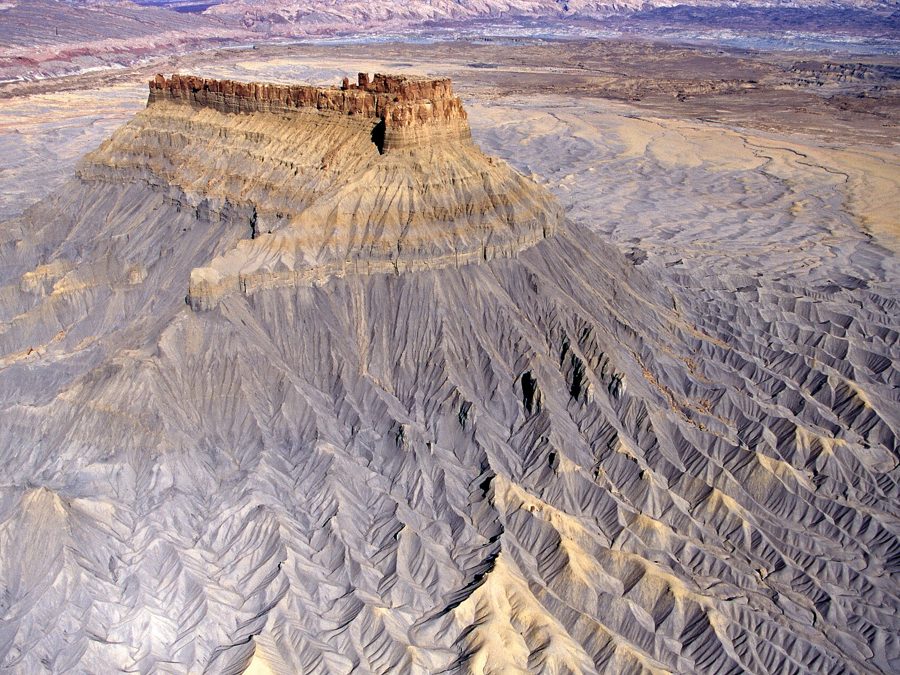
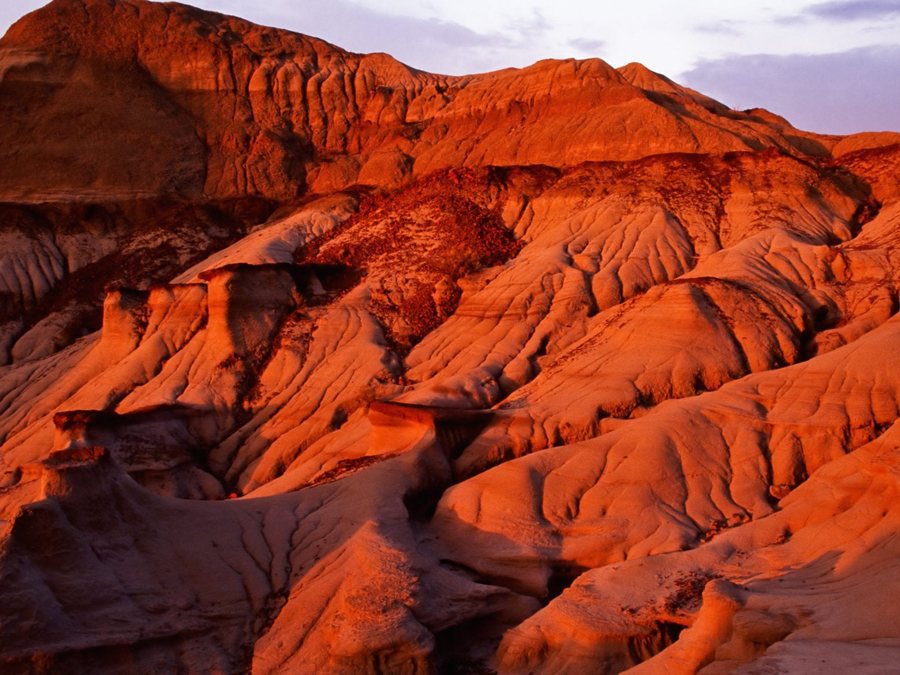
- Geography: red badland rock (beautiful, btw!).
- 30+ teams who made the final round get invited for four days of competition.
Last year was exploratory.
This year we want to win.
- In February we branched off from YUAA.
- We couldn’t recruit members so late in the year, so the team was mostly newcomers and everything was exploratory.
- We loved that (and eventually YUR will have a whole division for helping people learn robotics, mechatronics, and science).
- But this year we want to win, so we start over on purpose: smaller, lighter, integrated from day one.
- Chassis and arm designed together, not bolted together in April.
- Radio link built first.
- Print it fast (then waterjet and machine it in-house as much as possible).
- Working prototype by October or November.
We’re going to keep it small on purpose.
Integration >>>>>
- Sub-teams talking past each other is why rover teams fail at URC.
- Three build groups, one rover.
- Everyone sees the whole machine.
Build sessions, not meetings
- Short weekday build sessions.
- A thirty-minute Saturday standup.
- Thursday shop hours with Cameron.
- Show up, make progress, leave.
Startup speed, real friends
- We move and build like a tight startup.
- We hang out like a club where people are genuinely friends.
- Anyone can chip in on a great discussion.
- You end up with cracked, like-minded friends outside of rover too.
The community tier
- Coming next year, once the flagship is on its feet.
- FIRST outreach, with more in the works.
- This year is the rover, and the rover only.
This is what we wish we had freshman year.
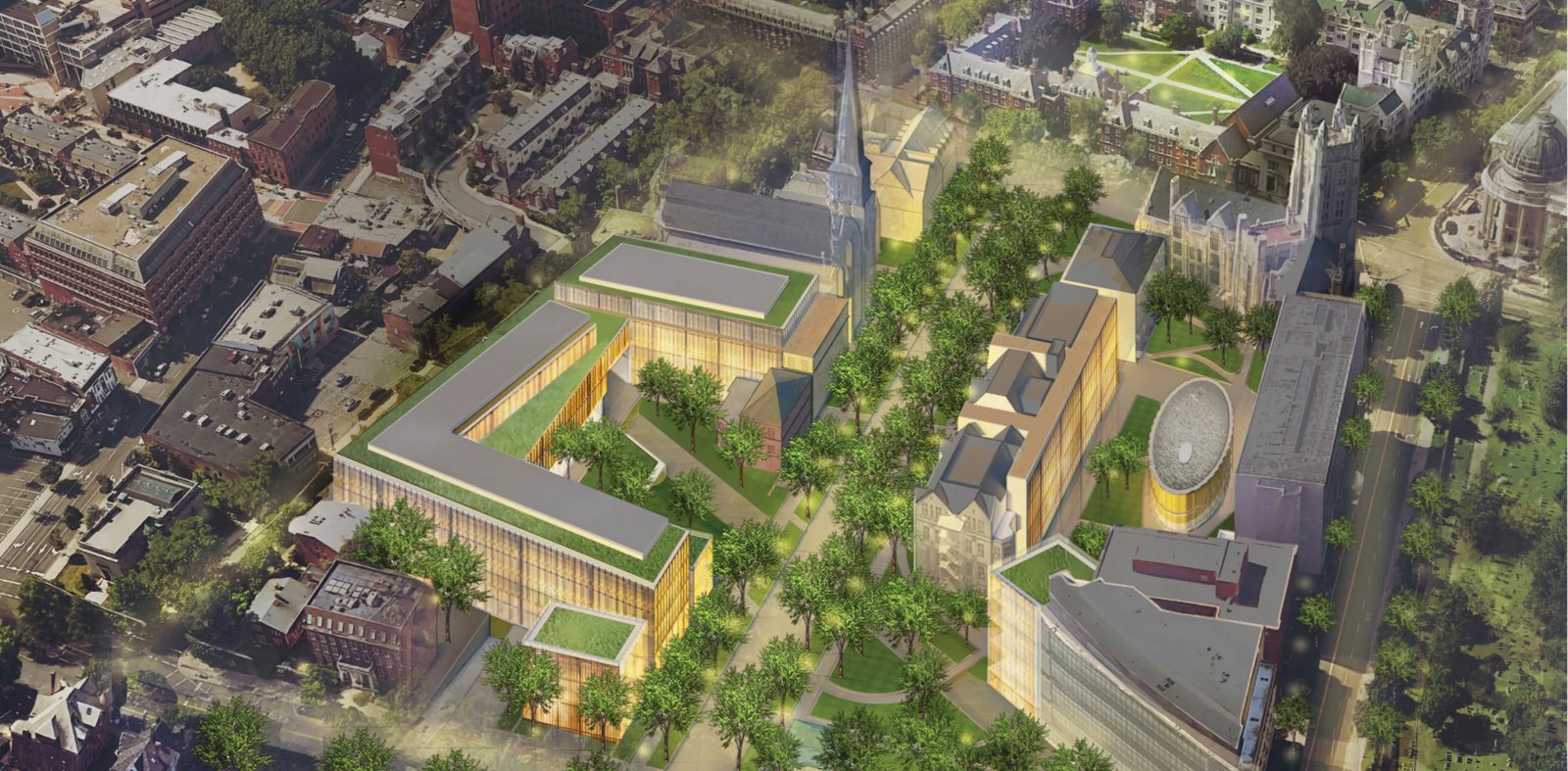
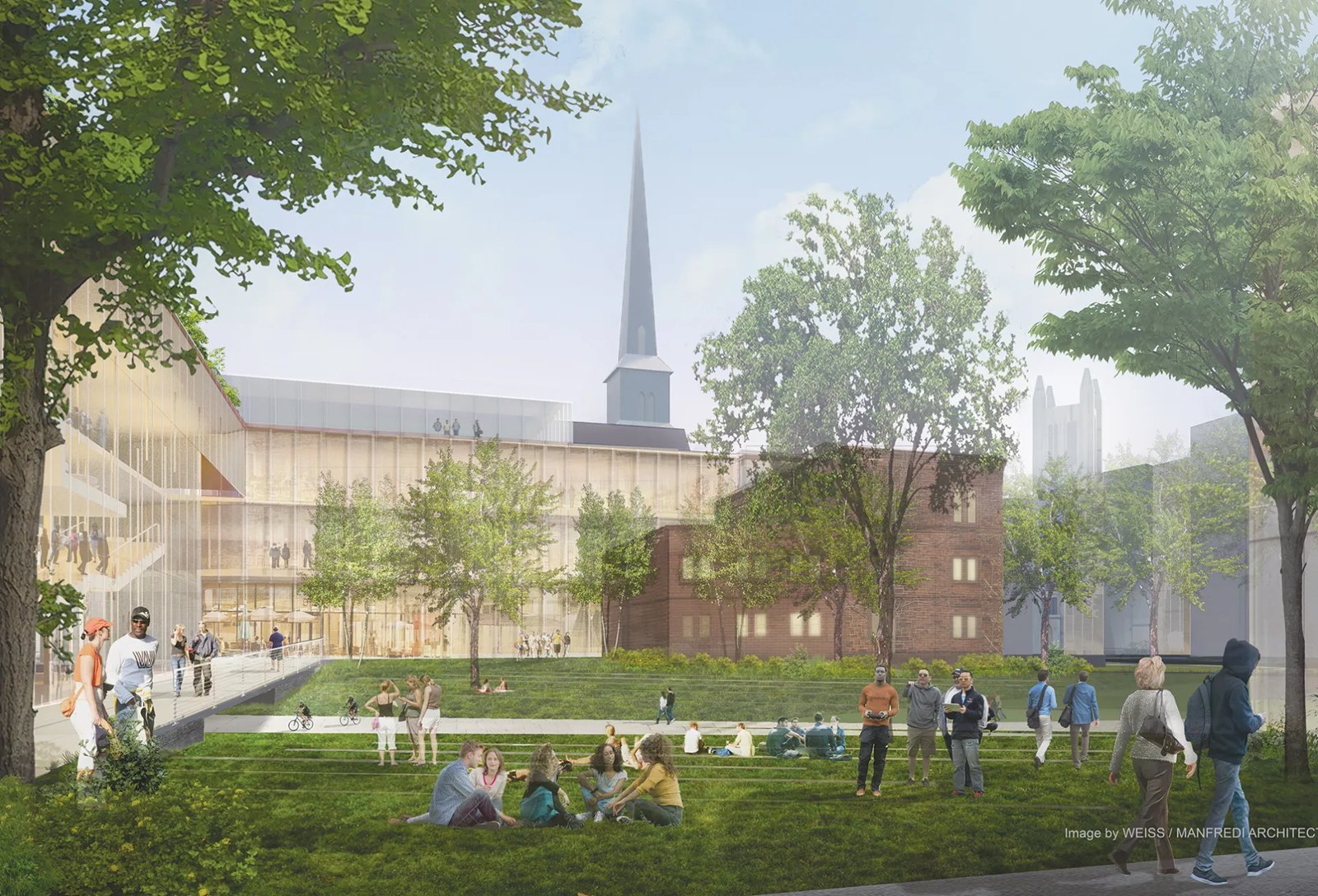
 -backed startups in recent years, VC firms coming to town, and SEAS is investing heavily in better facilities and a whole new engineering campus (below). There is no reason we cannot go into robotics and win big. It is truly the best time to be a Bulldog who likes building things.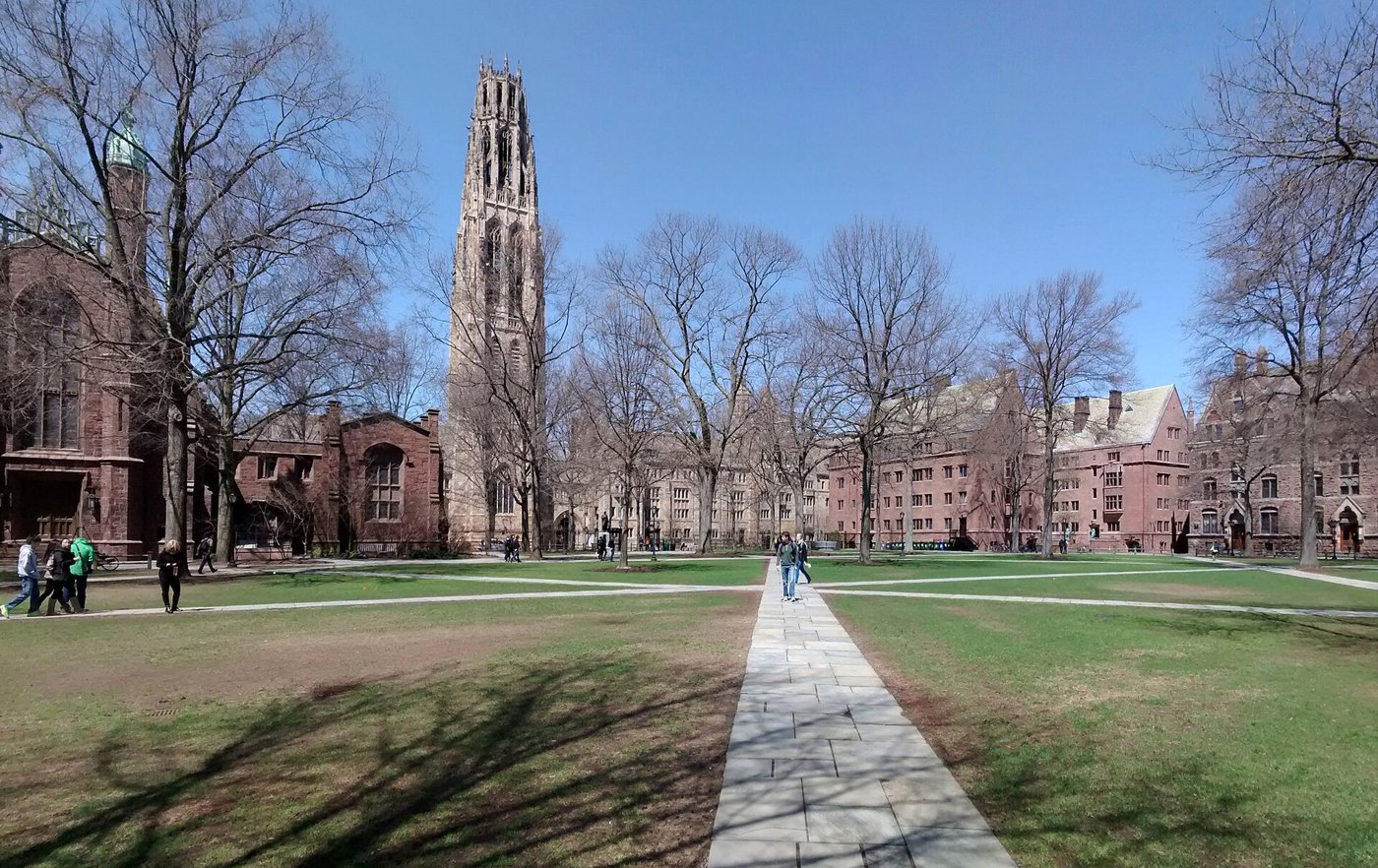
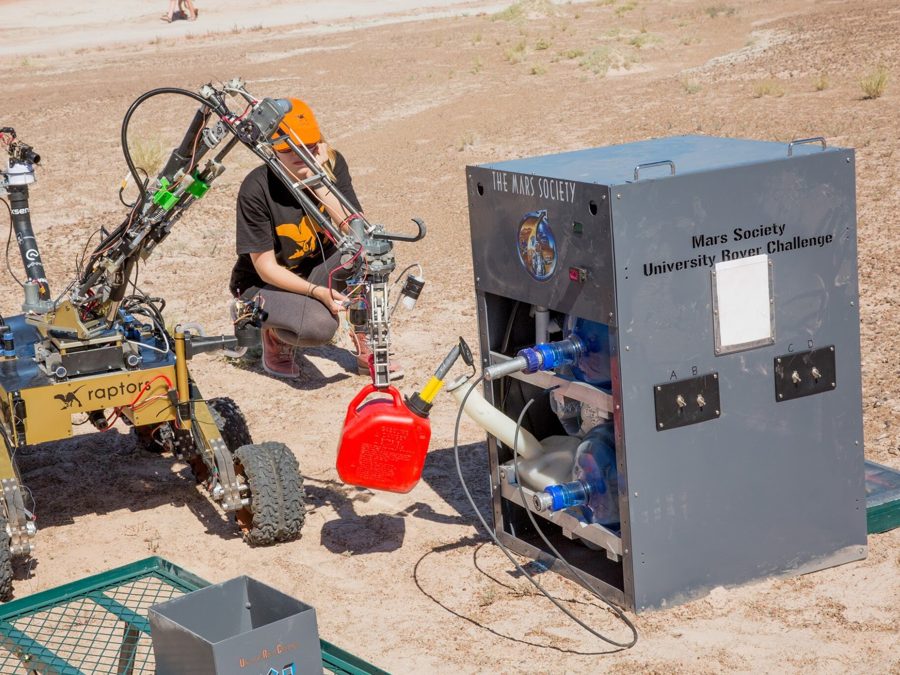
Three build groups. One rover.
Radio first. Then autonomy.
- Teleoperate to 1 km. Wi-Fi is not allowed.
- A 5 GHz line-of-sight link, and a low-frequency backup that gets through obstacles.
- Relays the rover can drop. Maybe a small recon drone for the delivery mission.
- Computer vision for typing and navigation.
5 degrees of freedom.
- A linear rail for reach, a base motor and coaxial linkage for extension, roll and pitch at the wrist.
- A Swiss-Army end effector: keyboard bit, USB plug, hex bit.
- 5 kg payload. A gripper that holds with zero current.
- Aluminum plates waterjet in the shop.
Lighter. Together.
- A smaller chassis designed alongside the arm.
- Power, control, and telemetry as one system.
- Life detection, onboard. Sample handling and chemistry that looks for signs of life in the field, then defends the result to scientists. This is the science mission, and a big share of the score.
- Print it fast before anything gets machined.
From kickoff to the desert.
Team forms
Applications close Saturday. The team starts the following week. Radio and arm prototyping begin immediately.
Working prototype
Chassis and arm on the ground together. Link tested at range. First integrated drives.
Competition build
Machined parts, autonomy, science module. The rover that goes to Utah takes shape.
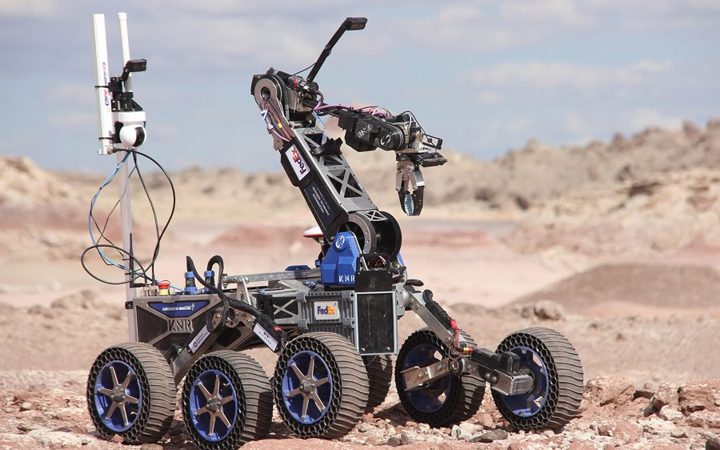
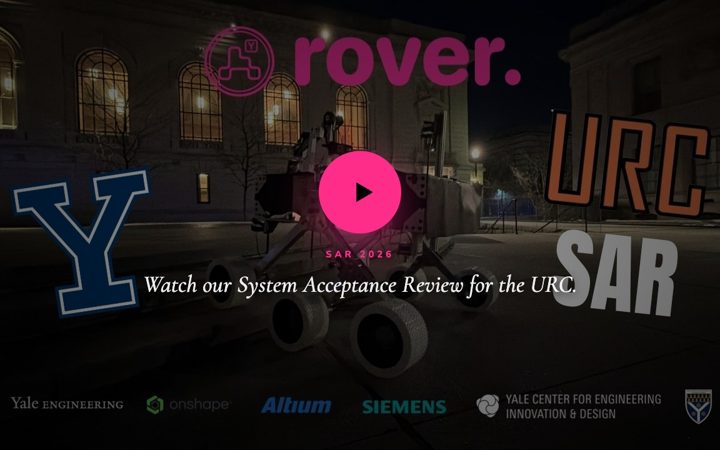
Drills and the SAR
Fully built by early February. Then nothing but testing, drills, and recording. System Acceptance Review submitted late February.
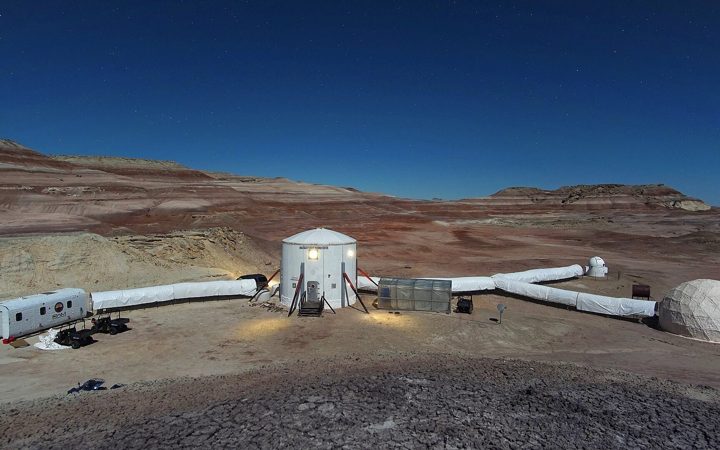
Hanksville, Utah
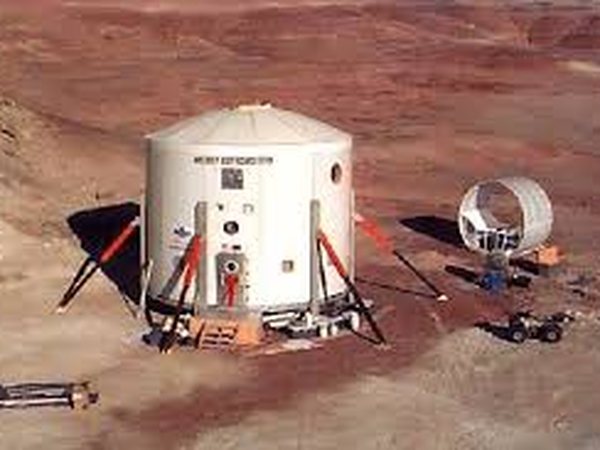
Mars Desert Research Station. The trip is all paid for.
No robotics-specific experience?
Apply anyway.
Drive
You start before anyone tells you to. You have shipped something, anything, on your own.
Hacker mentality
You would rather prototype it tonight than debate it for a week. You finish things.
Commitment
A few hours a week, every week, through May. Ten to fifteen seats. Every one matters.
Already good at one of these? There is a place for you.
Biology and chemistry
Sample handling, life-detection assays, and the defense in front of scientists. The mission is closer to a research project than a lab experiment: read the literature, design the protocol, write the report, defend it. Being willing to research and write counts as much as a bio background.
PCB design
Power distribution, motor drivers, sensor and telemetry boards: the electronics that tie the rover together. KiCad or Altium, and the patience to bring up a board that does not work the first time.
Drones
Pilots, builders, and programmers. A small recon drone that scouts the delivery route and spots objects and astronauts from the air before the rover commits to a kilometer of desert.
Computer vision
OpenCV and AprilTag localization. Finding the keyboard and the USB port for the arm, and reading the visual markers the autonomous navigation mission is scored on.
Radio, connection, signal
The 1 km link, with Wi-Fi not allowed. Antennas and link budgets, the 5 GHz line-of-sight link and the low-frequency backup, droppable relays, and keeping video and telemetry alive at range.
ROS, Raspberry Pi, onboard comms
The software backbone: ROS nodes, the compute stack on the rover, and the buses that carry commands to the motors and data back to the operator. Embedded Linux and networking experience goes a long way.
Don’t be intimidated. :)
- Don’t wait for anyone’s permission to do things.
- Have a build-first, hacker mentality.
- Have done research, or built cool things, of any kind.
- Believe you can teach yourself anything by putting in the work.
- Have done robotics, or are into a robotics-adjacent field (bio, chem, physics, ML, and more).


One more thing: this is a serious resume boost :)
A subassembly with your name on it
An arm, a radio link, a science module, a drivetrain. Designed, built, and defended by you, through to the finished rover.
Ten to fifteen people who shipped
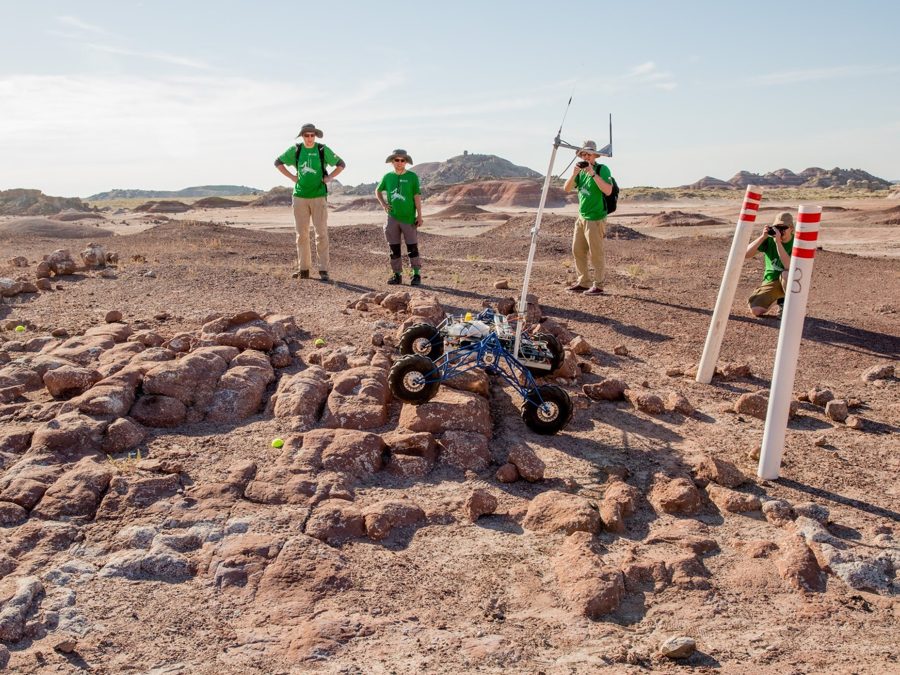
A small crew that took a rover to the Mars Desert Research Station and competed against the best university teams in the world. The trip is all paid for, by the way.
Something to show!
Photos, results, a rover that drove in the desert. The kind of thing recruiters and PIs actually ask about.
Applications open right now. :)
Tuesday, September 8
Saturday, 11:59 PM.
Build sessions begin immediately

we have some amazing backers :)
we have some amazing backers :)
SpaceXAI is betting on us.
- Free Cursor Pro+ for the whole team.
- SpaceXAI credits to build with.
- Sponsoring our demo day: we’ll show the rover to the entire Yale community this December in a big demo day.
Let’s build something meaningful together
and lifelong friends.